
 Search

Power Plant
A power plant is a facility designed to generate electricity for homes, businesses, and industries. It converts different forms of energy into electrical power through a series of controlled processes. Depending on the type of plant, the energy source may come from coal, natural gas, nuclear fuel, sunlight, wind, water, biomass, or geothermal heat. Although the methods vary, the main purpose remains the same: to produce reliable electricity in a safe and efficient way.In a conventional thermal power plant, fuel is burned to produce heat. This heat turns water into high-pressure steam, which drives a turbine connected to a generator. As the turbine spins, the generator converts mechanical energy into electrical energy. After passing through the turbine, the steam is cooled and condensed back into water so it can be reused. This cycle helps improve efficiency and reduce waste. Nuclear power plants work in a similar way, but instead of burning fuel, they use nuclear reactions to release heat.Renewable power plants operate differently. Hydroelectric plants use flowing or falling water to spin turbines. Wind power plants capture the movement of air through large blades. Solar power plants either use photovoltaic panels to convert sunlight directly into electricity or use concentrated sunlight to create heat for power generation. These energy sources are cleaner and produce fewer greenhouse gas emissions, making them important for sustainable development.A power plant also includes many support systems. Transformers raise or lower voltage levels so electricity can be transmitted efficiently over long distances. Cooling systems prevent equipment from overheating. Control rooms monitor operations, manage performance, and ensure safety. Modern plants often use advanced sensors and automation to improve reliability and reduce human error.Safety is one of the most important aspects of power plant operation. Because large amounts of energy are involved, strict procedures are followed to protect workers, equipment, and the environment. Regular inspections, maintenance, and emergency planning help prevent accidents and ensure continuous operation. Environmental protection is also a major concern. Many plants now use technologies to reduce air pollution, manage water use, and limit waste.Power plants play a vital role in modern society. They supply the electricity needed for lighting, communication, transportation, healthcare, manufacturing, and digital services. As energy demand continues to grow, power plants are becoming more efficient, cleaner, and smarter. The future of power generation is likely to focus on renewable energy, energy storage, and low-carbon technologies that support both economic growth and environmental protection.
Products
Category:
-
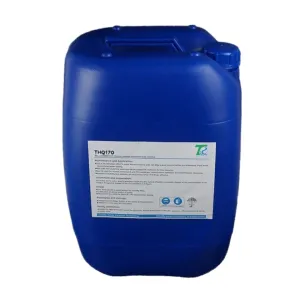
Reverse Osmosis (RO Membrane) Industrial Reverse Osmosis Water Treatment Scale Inhibitor Dispersant
Category: Scale InhibitorsBrowse number: 43Number:Release time: 2026-10-15 22:31:04Product DescriptionSpecificationitemvaluePlace of OriginChinaImplement quality standardsNational/Industry StandardsPurity80%Other NamesAcidic reverse osmosis membrane scale inhibitorShelf life24 monthsBrand NameTHQSelling PointBroad-spectrum reverse osmosis scale inhibitor has excellent scale prevention effect and wide application range. It can effectively prevent and disperse scale in all kinds of conventional water quality.This product is used in membrane pipelines. It can be assured that it will not cause corrosion to the inner walls of the equipment and will have no adverse effects.The sca...
News
Category:
No search results found!
Case
Category:
No search results found!
Video
Category:
No search results found!
Download
Category:
No search results found!
Job
Category:
No search results found!
Featured Products
-
NEWS
Reverse Osmosis (RO Membrane) Industrial Reverse Osmosis Water Treatment Scale Inhibitor Dispersant
Learn more



 Phone
Phone