

Circulating water systems are commonly applied in industrial cooling towers, heat exchangers and other facilities, where water is reused continuously. Due to evaporation and concentration, the concentration of dissolved minerals (such as calcium and magnesium salts) in water gradually rises, resulting in scale deposition on equipment surfaces. Scale will reduce heat‑transfer efficiency, increase energy consumption, and may cause equipment damage or failure.
Scale acts as a poor thermal conductor and hinders heat transfer, which lowers the efficiency of heat exchangers. Adding scale inhibitors can effectively prevent scale buildup and maintain the heat‑exchange performance of the system.
Apart from impairing operating efficiency, scale may trigger local overheating and other issues, accelerating equipment aging and damage. The application of scale inhibitors avoids such problems and extends equipment service life.
By inhibiting scale formation, energy consumed for scale removal can be cut down. Extra energy loss caused by scale deposits is also avoided, achieving energy‑saving effects.
Once scale forms inside the system, regular physical or chemical cleaning is required for scale removal. Frequent cleaning is time‑consuming, labor‑intensive and raises maintenance expenses. Scale inhibitors lower cleaning frequency and thus cut maintenance costs.
Proper dosage of scale inhibitors helps mitigate environmental pollution and eliminate potential safety hazards induced by scale problems.
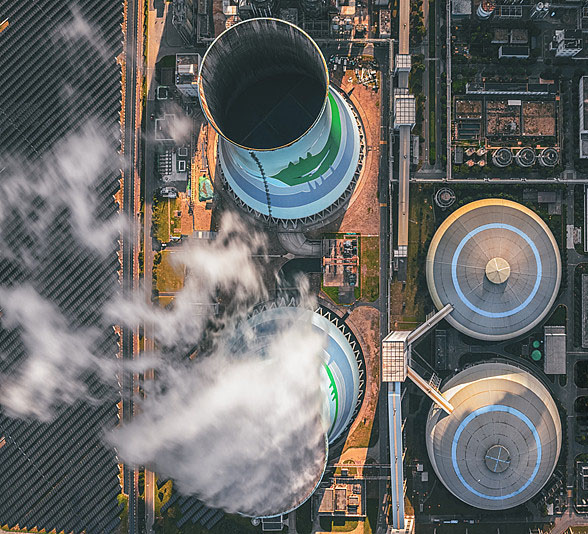
Therefore, appropriate dosage of scale inhibitors is widely adopted in circulating water systems to secure stable system operation, boost energy efficiency, and reduce maintenance workload and costs.
This website uses cookies to ensure you get the best experience on our website.
 Search



 Phone
Phone
Comment
(0)